Mastering Customer Relationships: The 2025 Playbook for Sales Engineers
In today’s rapidly evolving B2B landscape, sales engineers find themselves at the forefront of relationship management. The art of building and sustaining business relationships has become more complex and more critical than ever before, driven by globalization, digital transformation, and the increasing sophistication of customer needs.
The Evolving Landscape of Relationship Management
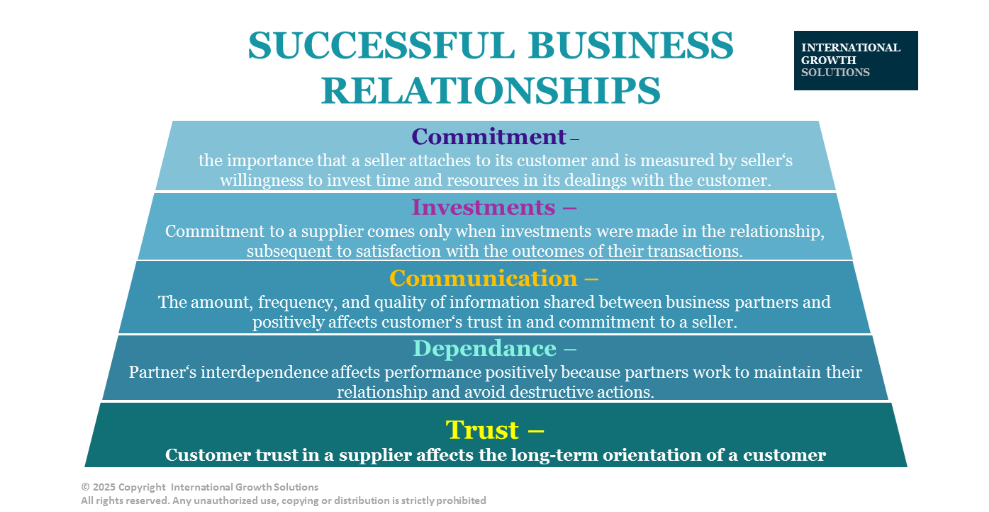
By 2025, relationship management has shifted from transactional exchanges to strategic partnerships. Sales engineers are not just technical advisors—they are relationship architects, responsible for forging strong, resilient connections that drive mutual value. Academic research underscores that successful business relationships are built on a foundation of trust, commitment, and ongoing investment from both parties.
Four Pillars of Customer Relationships in Sales Engineering
-
Trust
Trust remains the cornerstone of effective business relationships. It encompasses both honesty and benevolence, and is vital for reducing uncertainty and fostering collaboration. In an era marked by information overload and ambiguity, customers gravitate toward partners who demonstrate reliability and integrity.
-
Commitment and Investment
Commitment is no longer a passive expectation—it’s an active process. Research shows that both suppliers and customers must invest time, resources, and effort to nurture relationships. These investments, often in the form of tailored solutions, dedicated support, or co-development initiatives, signal long-term intent and foster loyalty.
-
Communication
Open, frequent, and high-quality communication is a proven driver of trust and commitment. Sales engineers who proactively share insights, address concerns, and provide transparent updates position themselves as valuable partners, not just vendors.
-
Reputation and Dependence
In a crowded marketplace, reputation is a powerful differentiator. Companies with a track record of fairness and reliability are more likely to win trust and secure long-term business. At the same time, recognizing mutual dependence—where both sides rely on each other’s expertise and resources—helps balance power dynamics and reduces the risk of conflict.
Navigating the Challenges of Distance and Opportunism
Modern relationships are shaped by various forms of “distance”—social, cultural, technological, time, and geographic. Sales engineers must bridge these gaps through empathy, adaptability, and cultural intelligence. Personal relationships, built on genuine rapport and understanding, are especially critical when navigating unfamiliar technologies or cross-cultural environments.
Opportunistic behavior, such as withholding information or failing to deliver on promises, remains a threat to long-term success. High interdependence makes such actions risky, as both parties have much to lose. Sales engineers must champion transparency and fairness to safeguard relationship stability.
From Transactional to Strategic: The 2025 Imperative
Today, the most successful sales engineers are those who:
- Identify and prioritize strategically important relationships.
- Build diverse relationship portfolios, balancing large and small accounts.
- Invest in reducing all types of distance, from technical gaps to cultural barriers.
- Foster strong social bonds and trust through consistent, value-driven engagement.
Conclusion: Your Role as a Relationship Architect
The evolution of relationship management in 2025 demands a proactive, strategic approach. For sales engineers, mastering customer relationships is not just about closing deals—it’s about creating enduring partnerships that deliver value for both sides. By focusing on trust, commitment, communication, and reputation, you can position yourself—and your organization—as a partner of choice in an increasingly interconnected world.


Want more Sales Engineering content?
Get the best NAASE thinking each month: new articles, sharp perspectives, and exclusive insights.
Join NAASE