Are We Measuring Sales Engineers for the Work We Actually Want Them to Do?

If you ask a VP of Sales what a great Sales Engineer does, you will usually hear something about trust: the SE who can walk into a room with a skeptical CFO and reframe the conversation around business outcomes, who can sense what a client has not said out loud and design around it, who becomes the person a client calls back long after the deal closes. Ask the same VP what that SE is measured on, and the answer looks different: demos delivered, RFPs turned around, pipeline influenced, deals closed. That gap between those two answers is, I think, one of the more consequential and under-examined problems in our profession.
I have spent most of my career inside that gap, most recently in global presales enablement at SAP, and I am now studying it formally as a researcher at the University of Southern California. The pattern I kept encountering, both as a practitioner and in the research literature, is that Solutions Consultants and Sales Engineers are increasingly asked to operate as strategic advisors while remaining formally governed as sales-support resources. Clients expect us to connect complex technology decisions to business transformation. Too often, our scorecards still ask a narrower question: how many demos, how fast, and how many touched the pipeline.
Related research helps explain why this question matters. A 2022 Consensus article reported a substantial year-over-year increase in demonstrations delivered by SEs, with a significant share going to unqualified prospects.[1] Forrester’s 2024 research found that 81% of B2B buyers expressed dissatisfaction with their chosen providers.[2] Although that research does not examine sales engineering specifically, I see this as a reason to question whether the engagement before a sale is working as well as it should. And broader research on B2B sales roles highlights the importance of advisory and relationship-building work as automation changes the profession.[3]
What is less clear is how well organizational measurement systems have kept pace with that shift. What expectations do organizations place on Sales Engineers and Solutions Consultants, how are those expectations measured, and how well do the two line up in practice? I do not think anyone has a settled answer, including me. The research literature on how sales roles are evaluated is genuinely mixed, and the honest answer probably varies a lot by organization, industry, and even by individual manager. That’s why the question deserves careful, structured study rather than another round of anecdotes at a conference.
That is where I need your help. I am running a short anonymous survey to understand how Sales Engineers experience performance measurement, role alignment, and organizational governance in enterprise technology organizations. It is open to anyone currently employed in sales engineering, solutions consulting, or presales, including leadership roles, at an enterprise technology, SaaS, or cloud software organization, with at least 12 months of experience in the field. It takes about 8 to 12 minutes, and the results will inform ongoing research at USC Rossier School of Education on how technology organizations define and evaluate sales engineering work.
Whatever your experience, whether your evaluation criteria track closely with the advisory work you do or feel like they measure something else entirely, it’s useful data. I would be grateful if you would take a few minutes to share it.
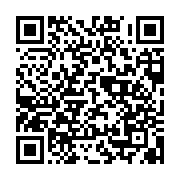
Take the survey here: https://usc.qualtrics.com/jfe/form/SV_8G4u1ALamVNYnnE?Source=NAASE
Or scan the QR code:
Thank you to NAASE for creating the space for this conversation, and to everyone in the community willing to share their experience.
References:
[1] Consensus. (2022). The undeniable shift in presales: Surging demand. PreSales Collective.
[2] Forrester. (2024). Forrester: To master B2B buying mayhem, providers must prioritize buyers’ needs.
[3] Elhajjar, S., Yacoub, L., & Ouaida, F. (2024). The present and future of the B2B sales profession. Journal of Personal Selling & Sales Management, 44(2), 128–141.


Sales Engineer of the Year 2026 Award
Nominations are open. This year’s recognition goes beyond a single winner, with three additional Question Awards. Take part yourself or put a colleague forward.
NOMINATE NOW