Why Sales Engineers Are Feeling More Pressure Than Ever
Sales engineering has become one of the most demanding roles in modern go-to-market teams. The pressure is no longer just about delivering a strong demo or answering technical questions well. Today, sales engineers are expected to navigate more complex solutions, collaborate more closely with account executives, manage heavier workloads, and respond to rising expectations from buyers who want clear business value fast.
That combination is creating a structural challenge. NAASE’s Sales Engineering Signals 2025 survey points to the same pressure pattern: 50% of respondents cited workload and time pressure, 26% cited AE/SE alignment, and 21% cited AI and fast-moving technology as top challenges (NAASE, 2025). In other words, the job is not just technical anymore; it is organizational, relational, and strategic. The most effective sales engineers today are not simply the most knowledgeable ones. They are the ones who can translate complexity into clarity, work smoothly across the deal team, and help buyers make confident decisions.
What the Role Is Really Changing Into
The old image of the sales engineer as the “demo person” is quickly fading. In stronger teams, sales engineers now help shape discovery, frame business problems, simplify technical trade-offs, and support commercial decisions with evidence and credibility. That means the role now sits at the intersection of product knowledge, customer trust, and revenue execution.
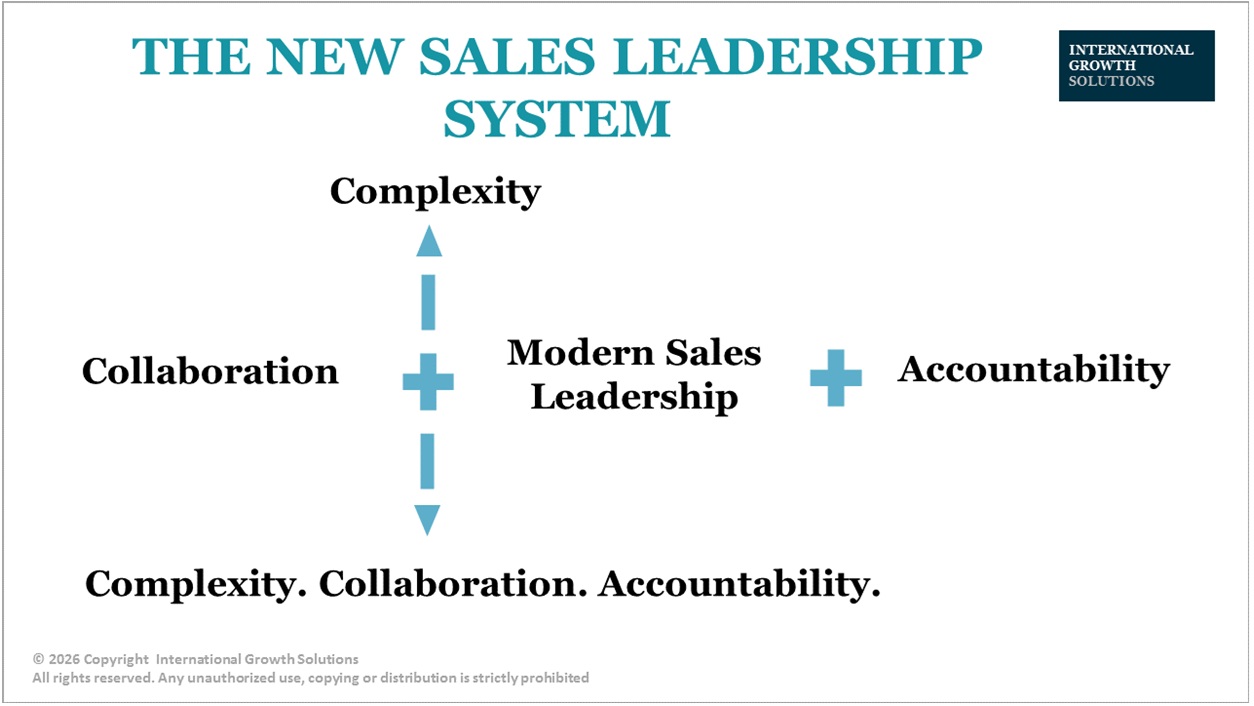
Three shifts matter most:
-
Complexity is increasing
Products, integrations, and customer expectations are more difficult than before, which means sales engineers need stronger judgment and sharper prioritization.
-
Collaboration is no longer optional
Sales engineers must align tightly with AEs, managers, product teams, and implementation teams to keep deals moving.
-
Accountability is broader
Success is not just technical accuracy. It includes deal support, customer confidence, internal coordination, and long-term adoption potential.
This is why many sales engineers are feeling stretched. They are being asked to do more than support the sale. They are being asked to help lead it.
What Top Sales Engineers Do Differently
The best sales engineers do not try to carry every deal alone. They create leverage.
- They prepare for discovery with business context, not just technical features.
- They ask sharper questions that uncover pain, urgency, and decision criteria.
- They build trust by making complex topics easier to understand.
- They work with AEs as true deal partners, not as last-minute specialists.
- They protect their time so they can stay effective instead of constantly reactive.
Research on sales leadership also points to an important lesson: when roles become more complex, organizations must provide better structure, clearer expectations, and stronger support (Ingram et al., 2005). For sales engineers, that means better AE alignment, cleaner handoffs, more realistic workloads, and more time for learning. Without those conditions, burnout becomes almost inevitable.
What This Means for Sales Engineers in the USA
In the U.S. market, buyers are more informed, more cautious, and more outcome-focused than ever. That raises the bar for every customer conversation. Sales engineers who can connect technical depth to business impact will become even more valuable. Those who cannot will be pulled into endless demo cycles, rushed pre-sales support, and reactive firefighting.
Sales engineers are uniquely positioned to build trust, simplify complexity, and accelerate decisions. But that only happens when the role is managed with intention, not overload.
The real question is not whether sales engineering matters. It is whether the organization is giving sales engineers the structure, support, and influence they need to succeed.
Questions for Sales Engineers
- Are you spending most of your time on high-value customer work, or on avoidable internal fire drills?
- Do you and your AE share a real game plan, or just a meeting calendar?
- Are you helping buyers make decisions, or just showing product capabilities?
- Is your workload sustainable, or is it quietly pushing you toward burnout?
- Are you building the AI and technical skills that will shape the next version of your role?
- What would need to change for you to become more strategic, not just busier?
If these questions hit close to home, the next step is to rethink how sales engineering is supported, measured, and embedded in the revenue engine.
Sources:
North American Association of Sales Engineers. Sales Engineering Signals 2025: Structure, Impact, and Emerging Trends (2026), Figure 9.
Ingram et al. (2005), “New Directions in Sales Leadership Research,” Journal of Personal Selling & Sales Management, Vol. 25, No. 2, pp. 137-154.


Want more Sales Engineering content?
Get the best NAASE thinking each month: new articles, sharp perspectives, and exclusive insights.
Join NAASE